
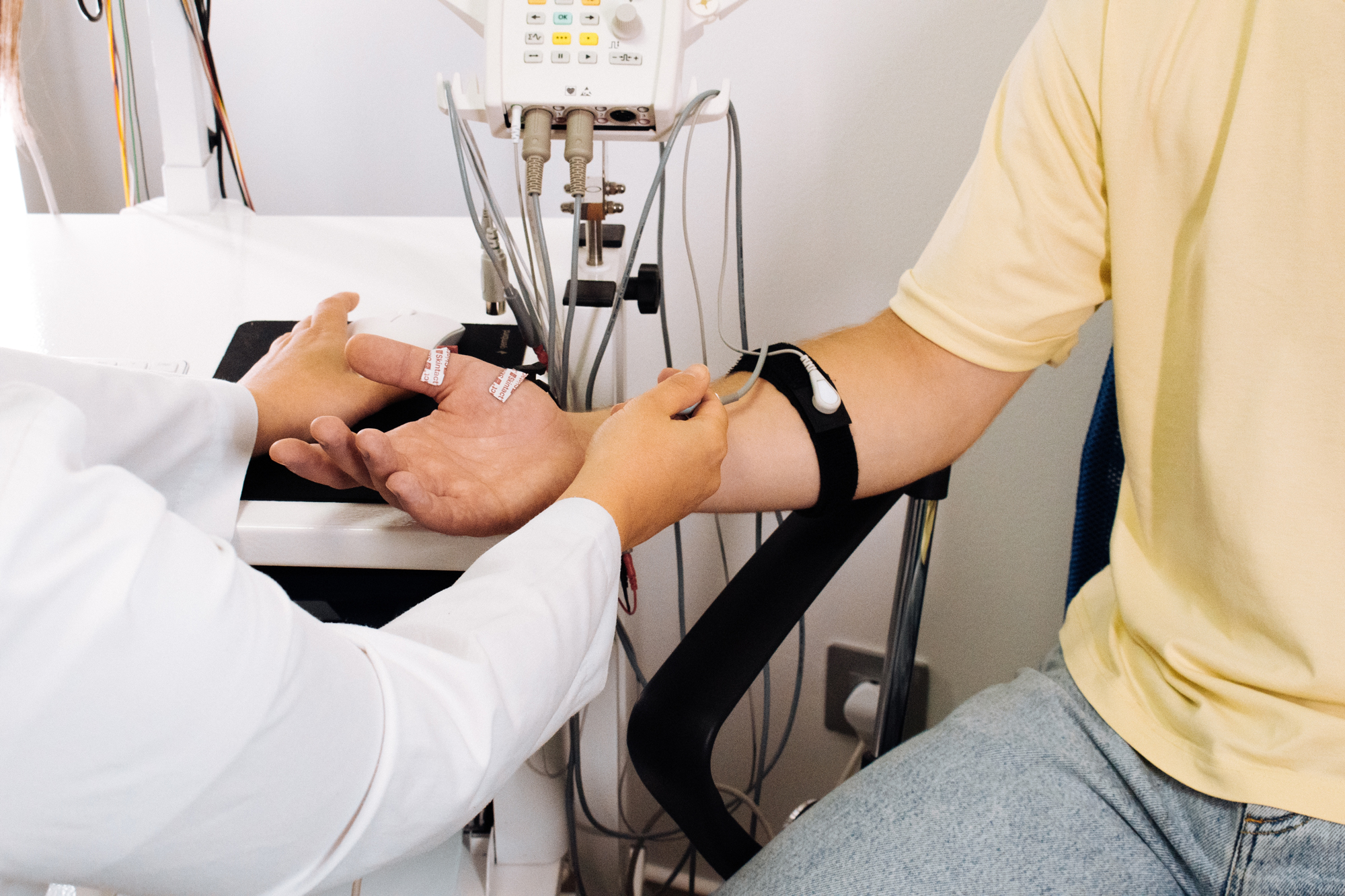
Electrodiagnostic testing (EDX) uses nerve conduction studies (NCS) and electromyography (EMG) to evaluate how your nerves and muscles are working. It can help determine the source of radiating pain, muscle cramping, numbness, decreased sensation, burning, tingling, weakness, or difficulty with certain movements and everyday activities.

What Can EDX Help Diagnose?
Electrodiagnostic testing can help identify conditions affecting the nerves, nerve roots, and muscles, including carpal tunnel syndrome, pinched nerves, radiculopathy, sciatica, peripheral neuropathy, muscle disorders, and other neuromuscular conditions.
EDX can also help determine whether symptoms are coming from a nerve in the arm or leg, a nerve root in the spine, a muscle, or another part of the neuromuscular system.
How Does EDX Work?
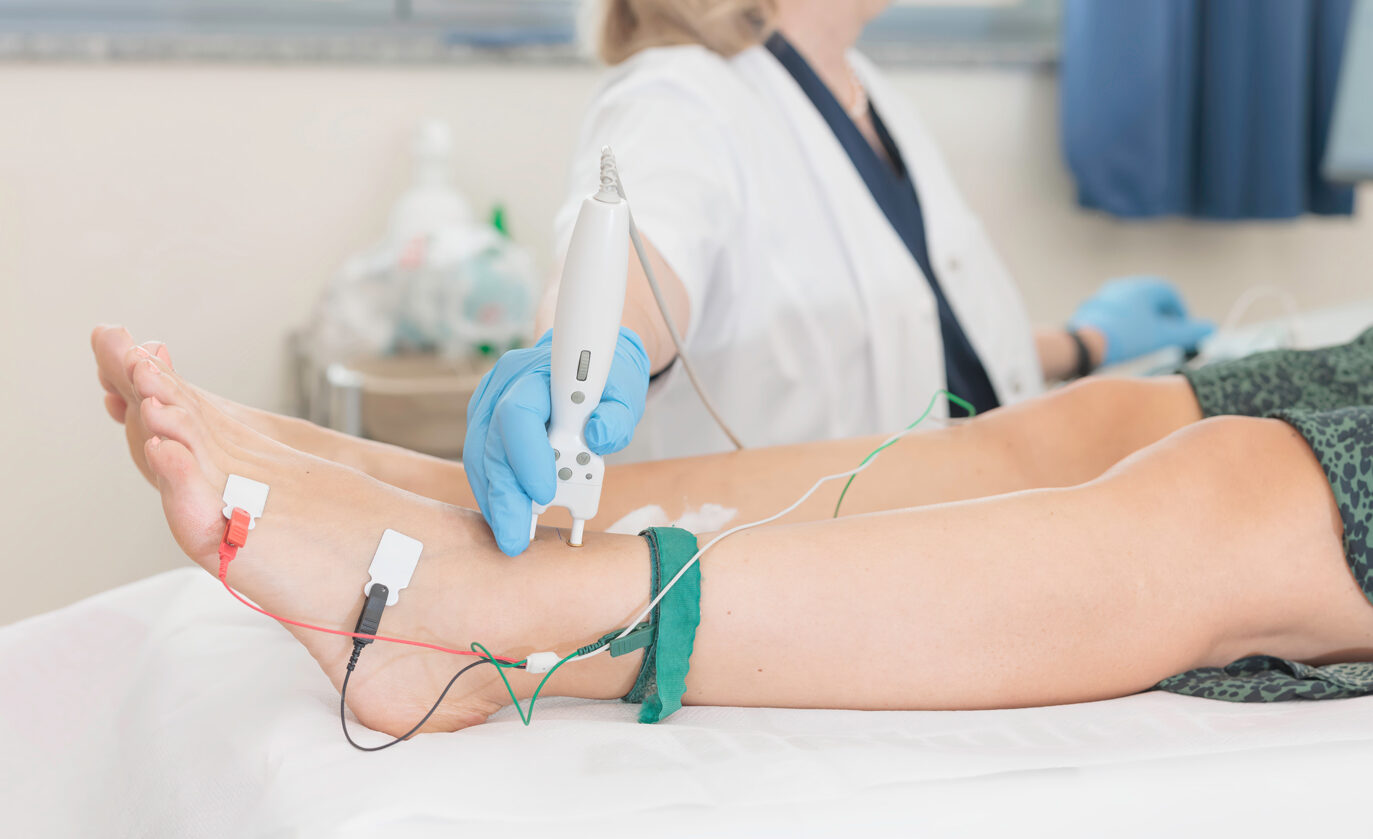
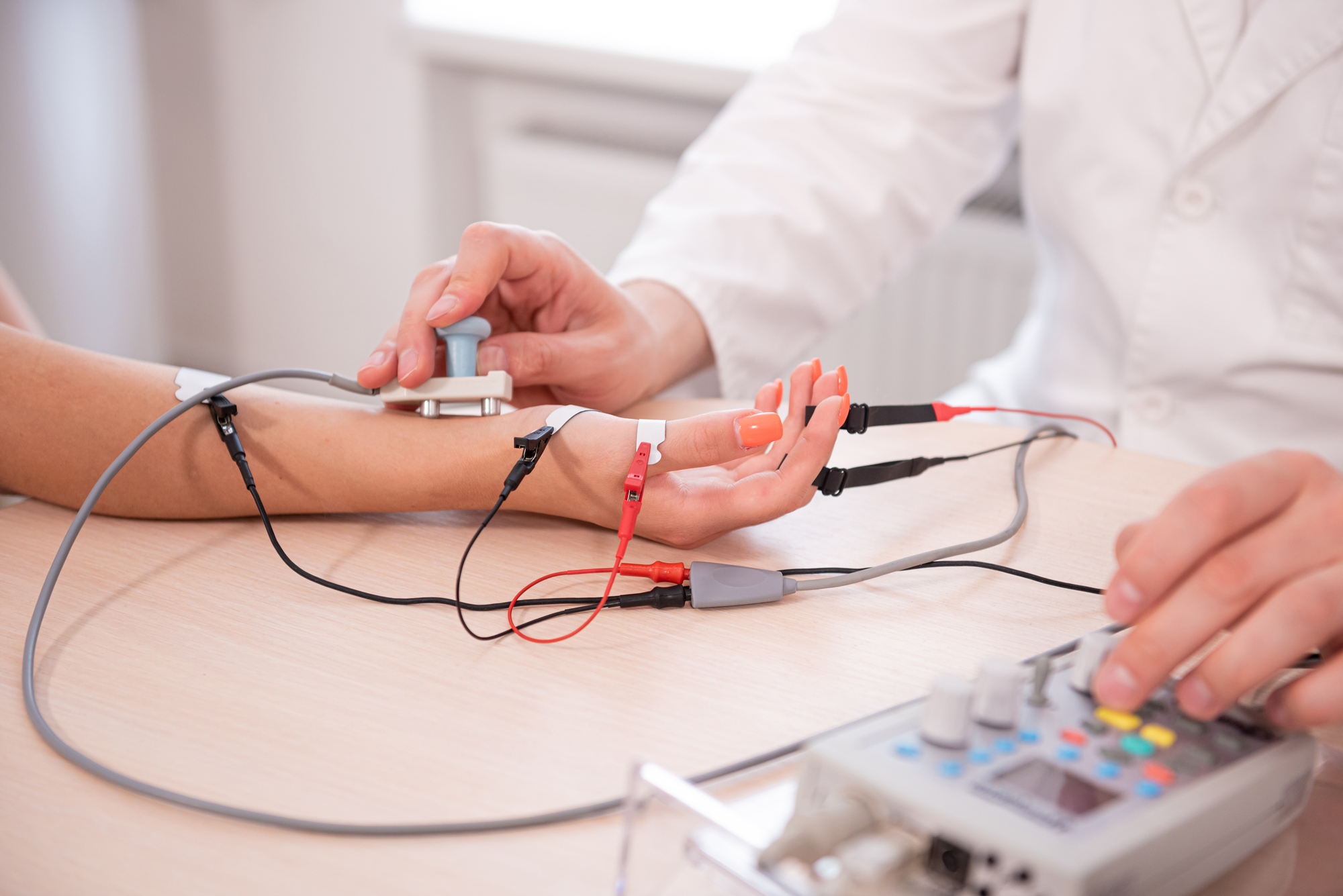
Nerves and muscles produce electrical signals that can be measured using specialized equipment. Nerve conduction studies use small electrical impulses to stimulate selected nerves and measure how well they are working.
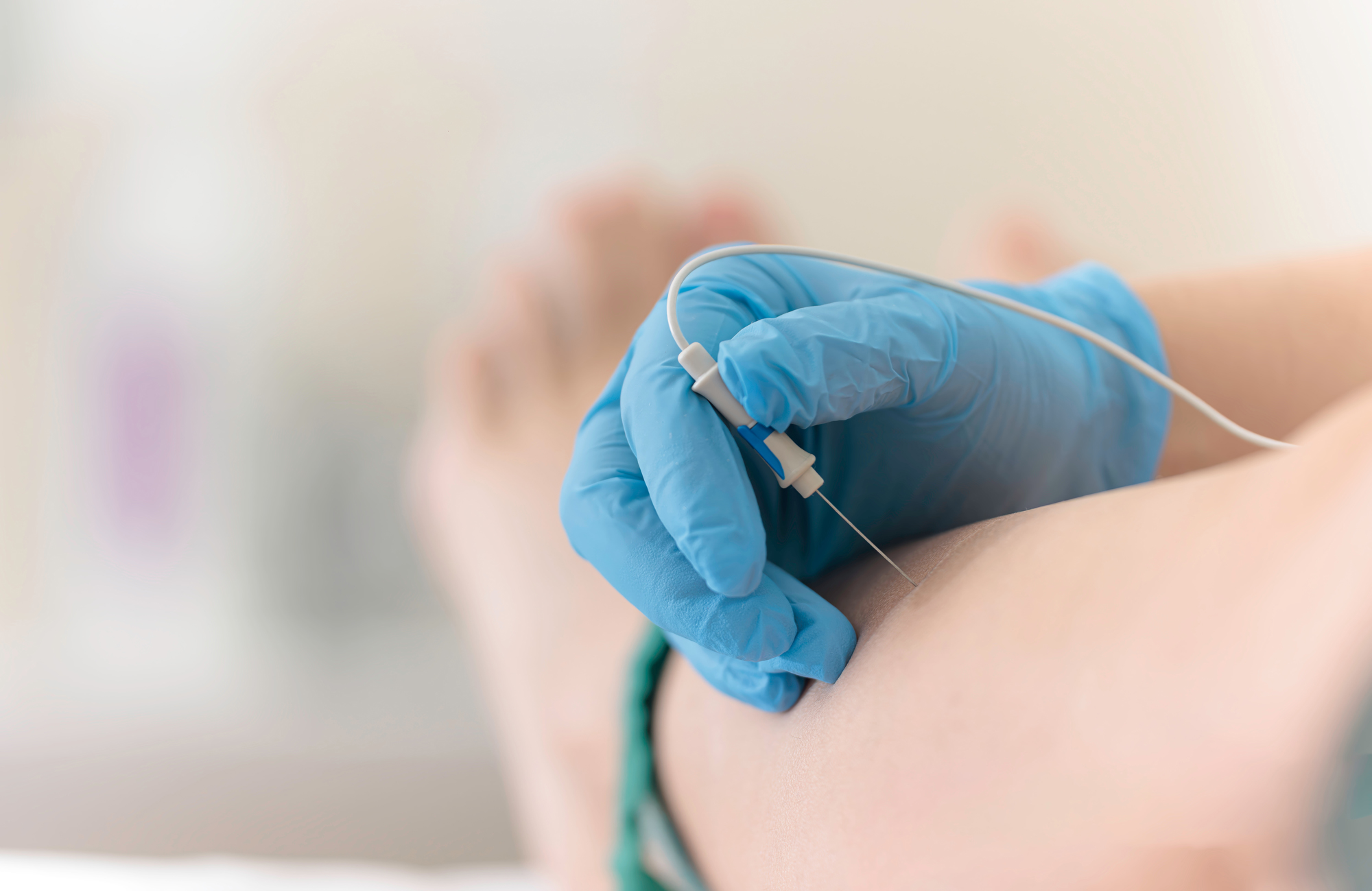
Electromyography (EMG) uses a very fine needle electrode placed into selected muscles to record their electrical activity. Your physician determines which nerves and muscles should be tested based on your symptoms, medical history, and physical examination.
What to Expect
Most studies take approximately 30 to 90 minutes. Both tests are usually well tolerated and typically do not require medication beforehand.
You may feel brief tingling or muscle twitching during the nerve conduction portion. During the EMG, you may feel a small pinch when the fine needle is inserted. Minor bruising or temporary soreness can occasionally occur and usually resolves within a few days.
How Should I Prepare?
No special preparation is usually needed. You can eat, drive, and exercise as usual before and after the test and take your usual medications unless instructed otherwise.
Bathe or shower on the day of your test, but do not apply lotion, powder, or oil to your skin. Wear loose, comfortable clothing. Please tell us if you take aspirin or blood thinners, have a bleeding disorder, or have a pacemaker or other implanted medical device.

From Diagnosis to the Next Step
At Fortera, electrodiagnostic testing is more than a test result. Our physicians perform and interpret the study, explain the findings, and use the results to help determine the next step in your care.