
Degenerative Disc Disease (DDD) refers to changes that occur within the spinal discs over time. The discs between the bones of the spine act as cushions that absorb shock and allow the spine to move comfortably. As these discs lose hydration, flexibility, and strength, they may become a source of chronic neck or back pain.
Despite its name, degenerative disc disease is not always a true “disease.” Many people develop disc changes as they age, but symptoms vary depending on the location and severity of the degeneration. At Fortera Health, our team focuses on identifying whether the disc is the actual source of pain and creating a personalized treatment plan based on your symptoms, goals, and lifestyle.
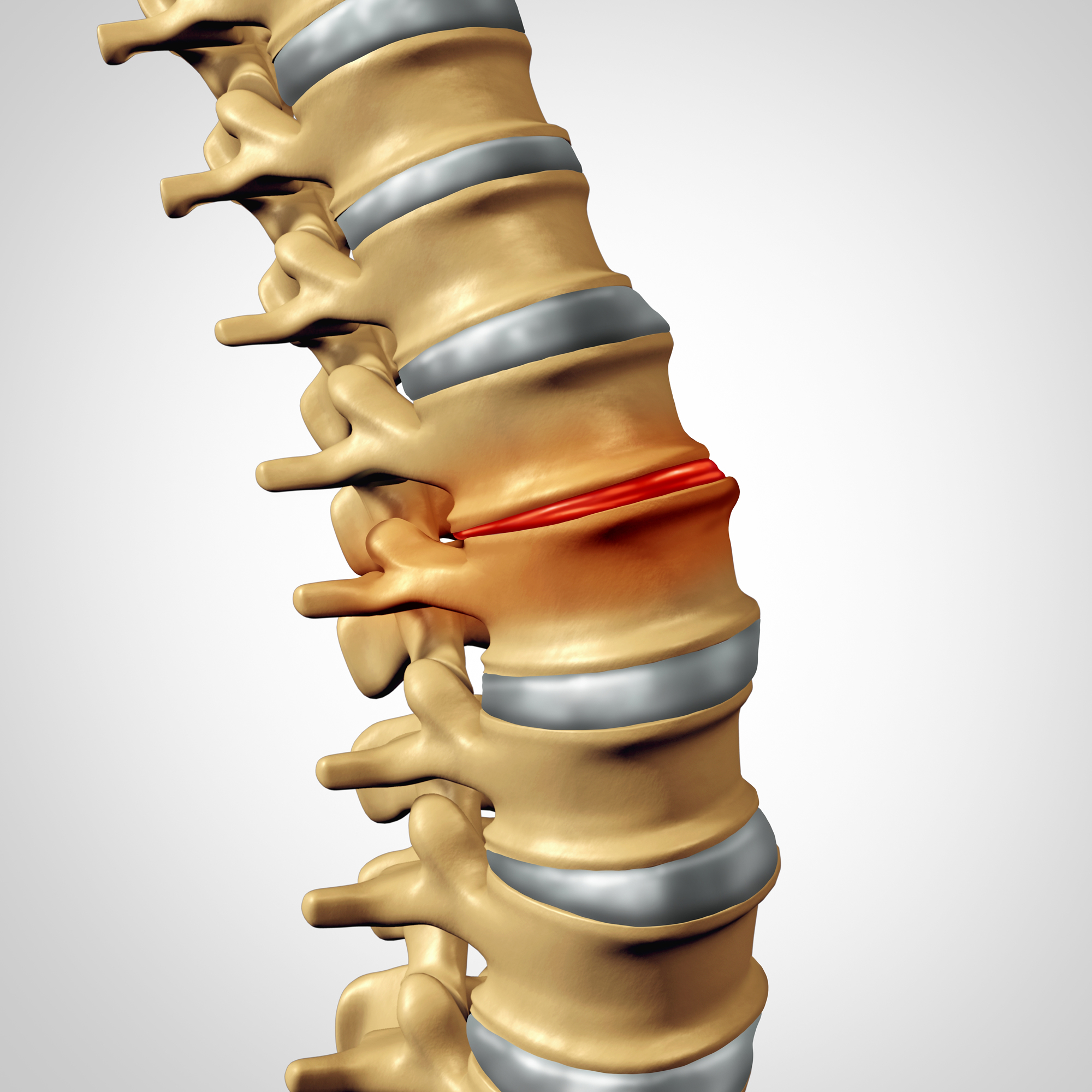

Common Symptoms
Symptoms of degenerative disc disease may include:
Symptoms can vary from person to person. Some individuals may have significant disc changes on imaging with little or no pain, while others may experience ongoing discomfort caused by disc-related problems.
What Causes Degenerative Disc Disease?
Disc degeneration is a natural process influenced by aging, genetics, and the daily stress placed on the spine. Common contributing factors include:
As discs weaken over time, they may contribute to other spinal conditions, including disc herniation, spinal stenosis, or arthritis-related changes.

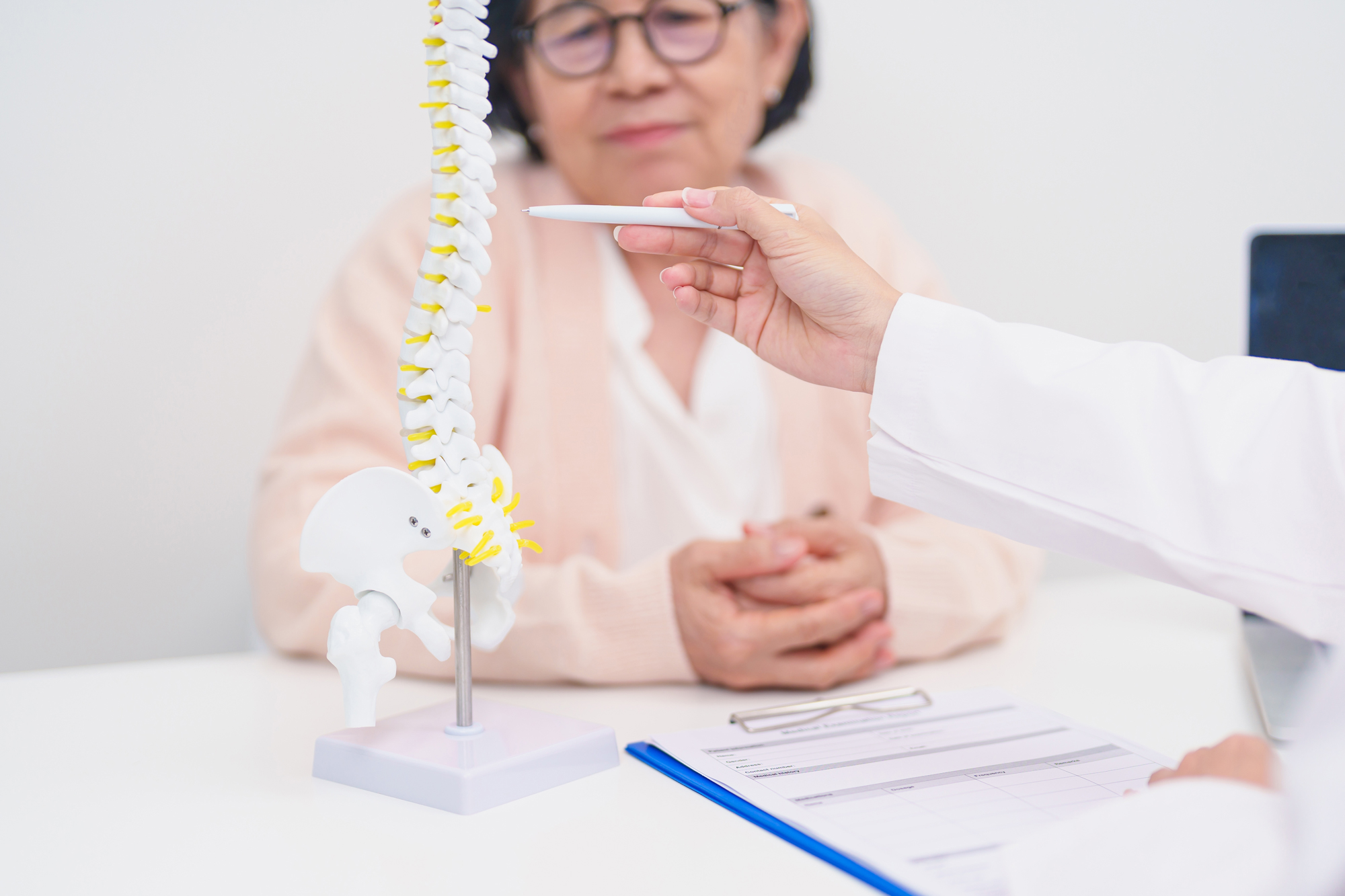
How Is Degenerative Disc Disease Diagnosed?
Diagnosis begins with a detailed evaluation of your symptoms, medical history, and physical examination. Imaging findings alone do not always explain pain, as many people have age-related disc changes without symptoms.
Diagnostic testing may include:
Your provider will evaluate your imaging results together with your symptoms and examination findings to determine the most appropriate treatment approach.
Treatment Options
Treatment depends on the severity of symptoms, the underlying cause of pain, and how the condition affects your daily activities. Options may include:

For patients with significant structural problems that do not improve with conservative treatment, surgical options may be considered.
At Fortera Health, our goal is to determine the true source of your pain and provide a personalized treatment plan designed to improve mobility, reduce discomfort, and help you return to the activities that matter most.