
Peripheral neuropathy is a condition that occurs when the nerves outside of the brain and spinal cord become damaged or irritated. These nerves help control sensation, movement, and certain automatic body functions. When they are affected, patients may experience numbness, tingling, burning pain, or changes in strength and balance.
While diabetes is one of the most common causes of peripheral neuropathy, many other conditions can contribute to nerve damage, including vitamin deficiencies, certain medications, alcohol use, autoimmune disorders, and other medical conditions.
At Fortera Health, we evaluate the underlying cause of your symptoms to help determine the most appropriate approach for managing nerve pain, improving function, and protecting your quality of life.


Common Symptoms
Peripheral neuropathy most commonly affects the feet and hands and may include:
Symptoms often begin in the toes and feet before gradually progressing upward. In some cases, the hands may also become affected, creating a “stocking-and-glove” pattern.
What Causes Peripheral Neuropathy?
Peripheral neuropathy can develop from many different causes. Common contributing factors include:
In some cases, no specific cause is identified even after evaluation. This is known as idiopathic peripheral neuropathy.
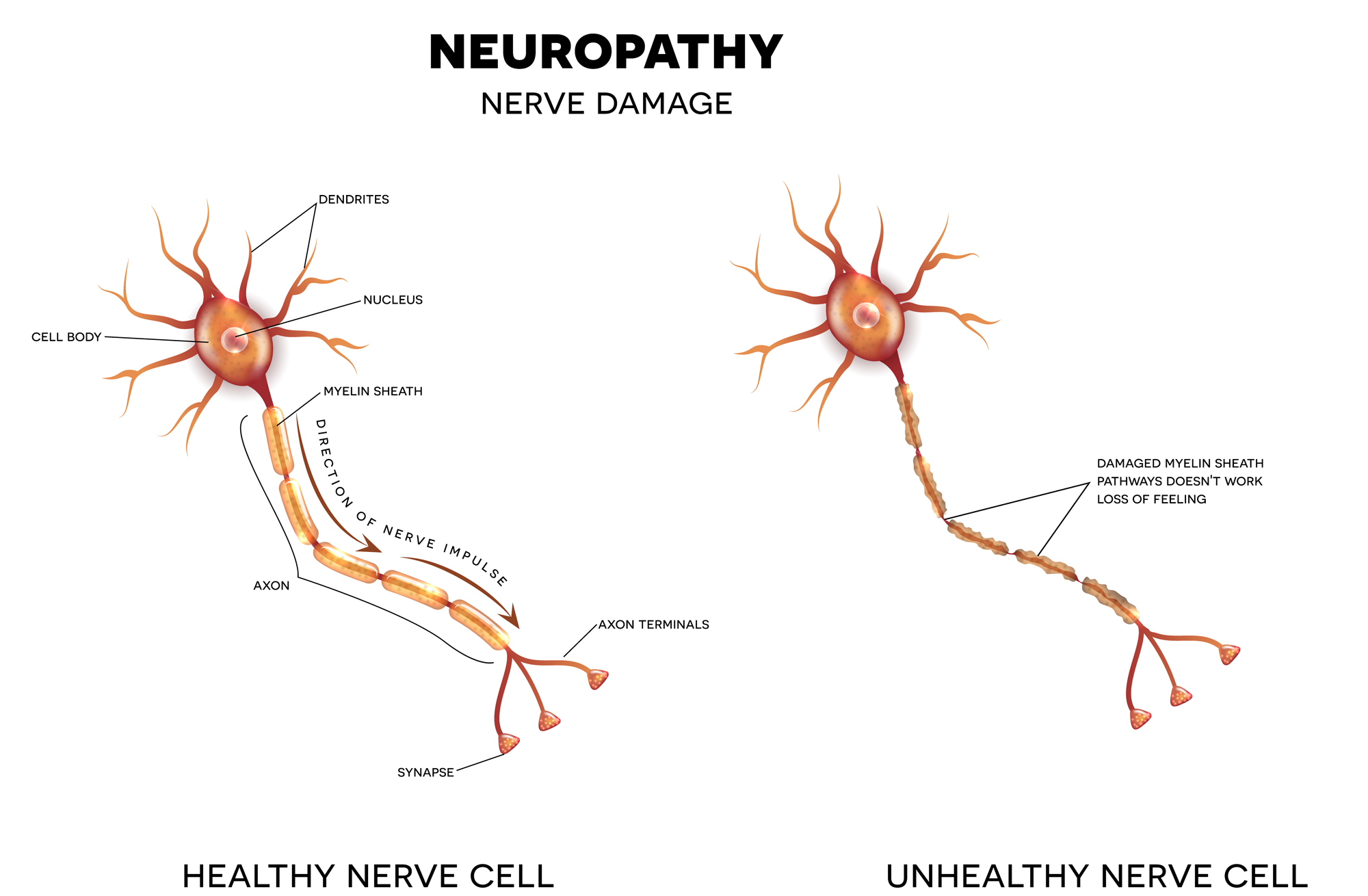

How Is Peripheral Neuropathy Diagnosed?
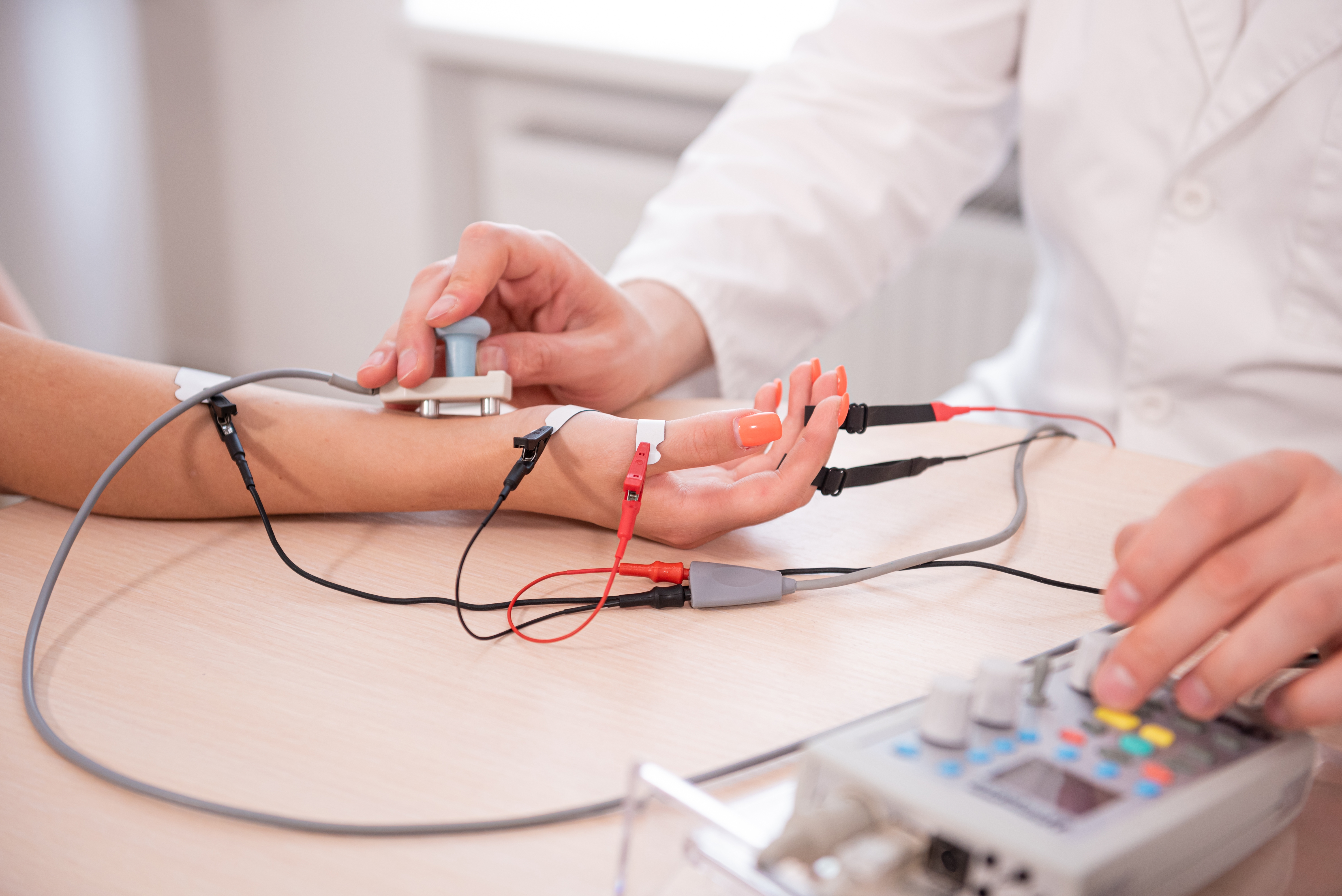
Diagnosis begins with a detailed review of your symptoms, medical history, and physical examination. Your provider will evaluate sensation, strength, reflexes, balance, and areas of discomfort.
Testing may include:
Because many conditions can cause similar symptoms, identifying the underlying cause is an important part of creating an effective treatment plan.
Treatment Options
Treatment depends on the cause of the neuropathy and the type of symptoms you are experiencing. Options may include:
While nerve damage cannot always be completely reversed, early evaluation and appropriate treatment can help reduce symptoms, improve function, and prevent complications.
At Fortera Health, we recognize that nerve pain can affect sleep, independence, and everyday activities. Through a comprehensive evaluation and personalized treatment approach, our team helps patients better understand their condition and explore options to improve their comfort and quality of life.