Cervical spinal stenosis occurs when the spinal canal in the neck becomes narrowed, which can place pressure on the spinal cord or nearby nerves. This condition is often caused by age-related changes in the cervical spine, including arthritis, disc degeneration, and bone changes that develop over time.
When nerves or the spinal cord become compressed, patients may experience neck pain, arm symptoms, changes in coordination, or difficulty with balance. At Fortera Health, our team focuses on identifying the source of your symptoms and developing a personalized treatment plan to help reduce pain, improve function, and protect your quality of life.


Common Symptoms
Symptoms of cervical spinal stenosis may include:
Symptoms can vary depending on whether the narrowing affects the spinal nerves, the spinal cord, or both.
What Causes Cervical Spinal Stenosis?
Cervical spinal stenosis usually develops from changes that occur in the spine over time. Common contributing factors include:
These changes can gradually reduce the space available for the nerves and spinal cord, leading to pain and neurological symptoms.

How Is Cervical Spinal Stenosis Diagnosed?
Diagnosis begins with a review of your symptoms, medical history, and physical examination. Your provider will evaluate your neck movement, strength, sensation, reflexes, and overall function.
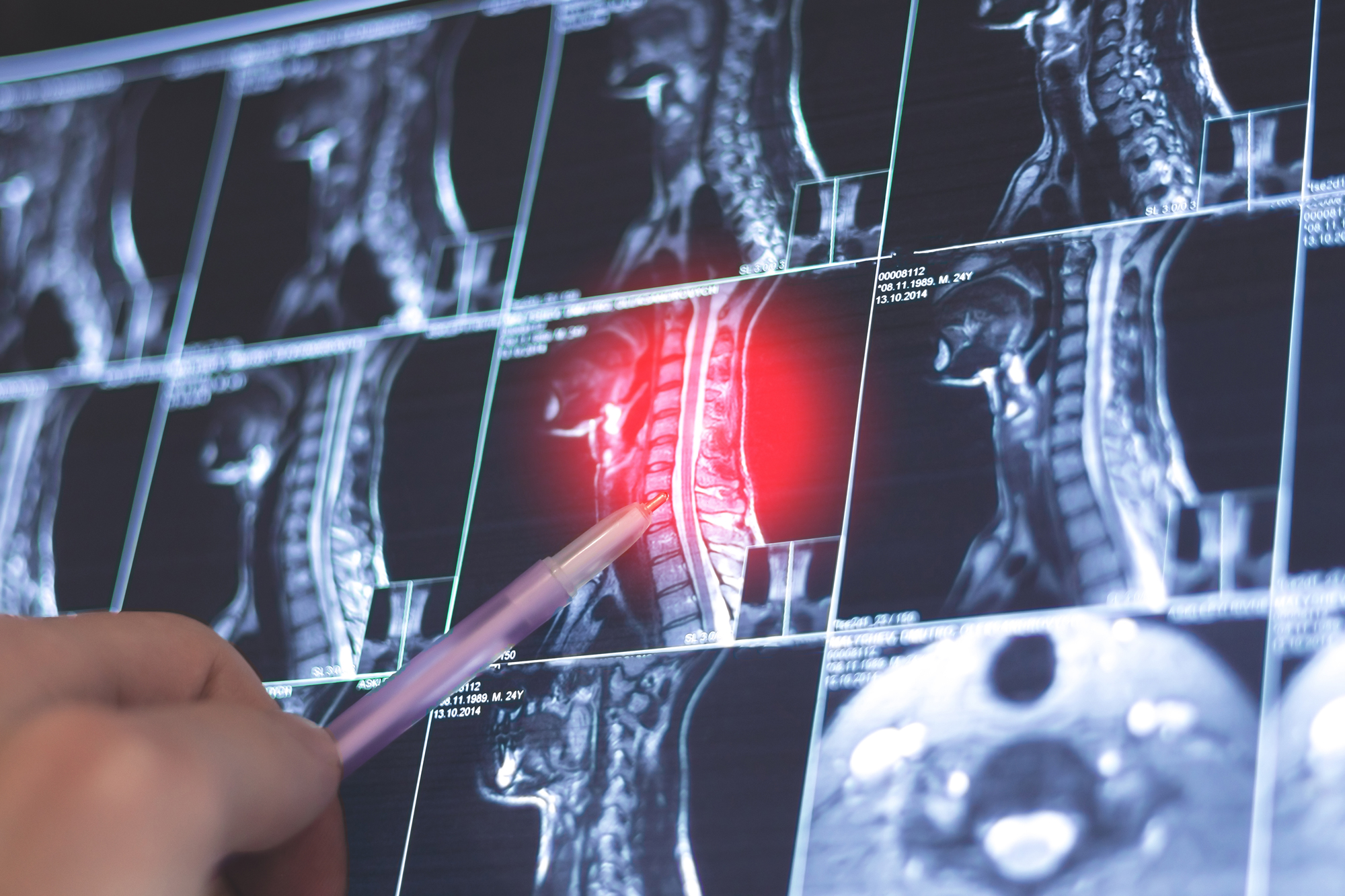
Imaging studies help determine the location and severity of spinal narrowing. These may include:
Because many people have age-related changes on imaging without symptoms, results must be interpreted together with your symptoms and examination findings.
Treatment Options
Treatment depends on the severity of your symptoms and whether the nerves or spinal cord are affected. Options may include:
At Fortera Health, our goal is to accurately identify what is causing your symptoms and provide a personalized treatment plan designed to help you move better, feel better, and maintain your independence.