
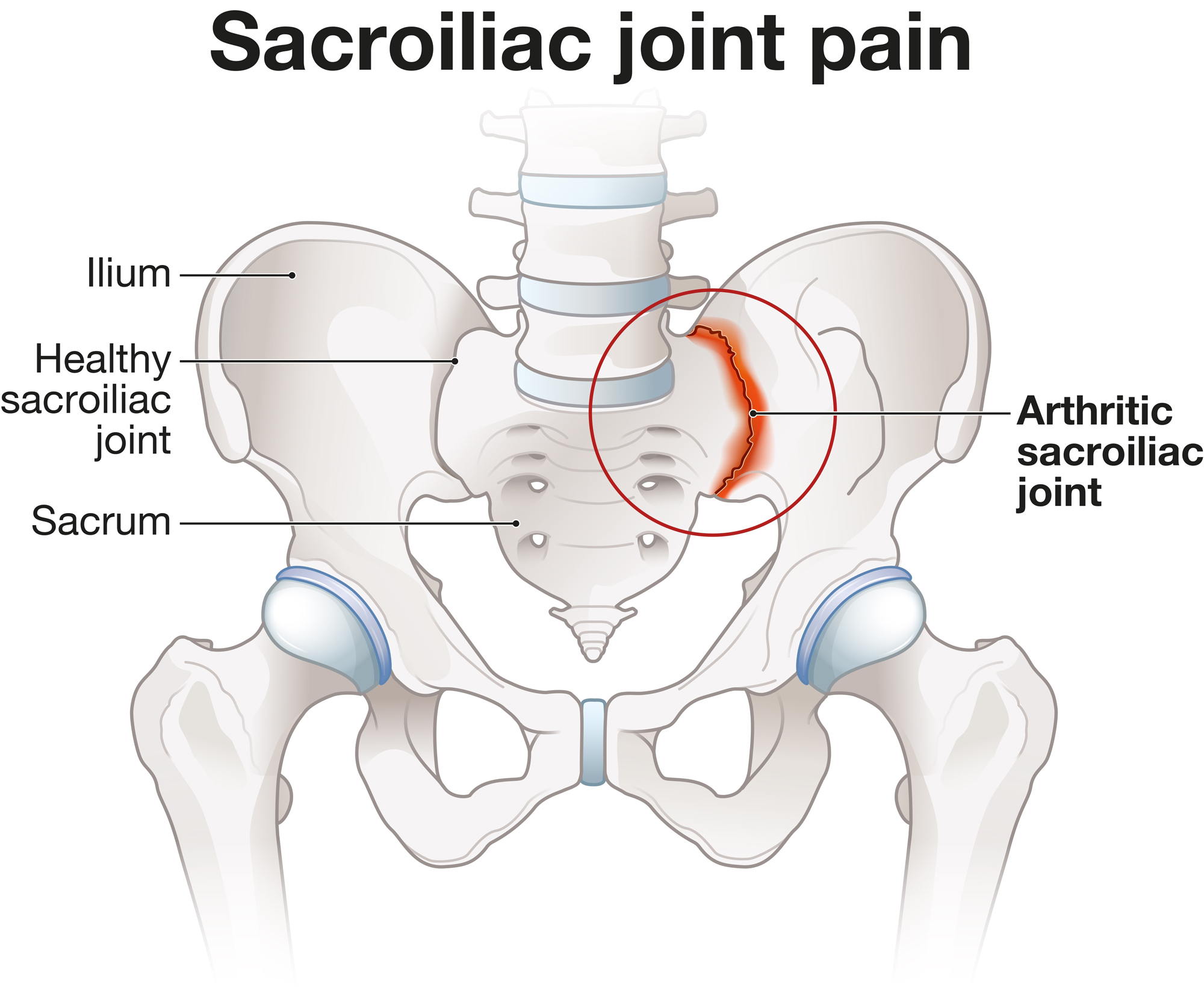
Sacroiliac (SI) joint dysfunction occurs when the joint connecting the lower spine to the pelvis becomes irritated, inflamed, or does not move properly. The SI joint helps stabilize the pelvis and transfer forces between the spine and legs.
Pain from the SI joint is often felt in the lower back, buttock, or hip area and can sometimes be confused with pain coming from the spine or nerves.
Common causes include injury, arthritis, pregnancy-related changes, changes in movement patterns, and stress placed on the joint after spine surgery.
At Fortera Health, we evaluate the SI joint along with the surrounding spine, hips, and soft tissues to identify the true source of pain and create a personalized treatment plan.


Common Symptoms
Symptoms of SI joint dysfunction may include:
Unlike nerve compression conditions, SI joint dysfunction typically does not cause numbness, tingling, or muscle weakness.
What Causes SI Joint Dysfunction?
SI joint dysfunction can occur when normal joint movement or stability is disrupted. Common causes include:
How Is SI Joint Dysfunction Diagnosed?
Diagnosis begins with a review of symptoms, medical history, and physical examination.
Your provider may assess:
Additional testing may include:
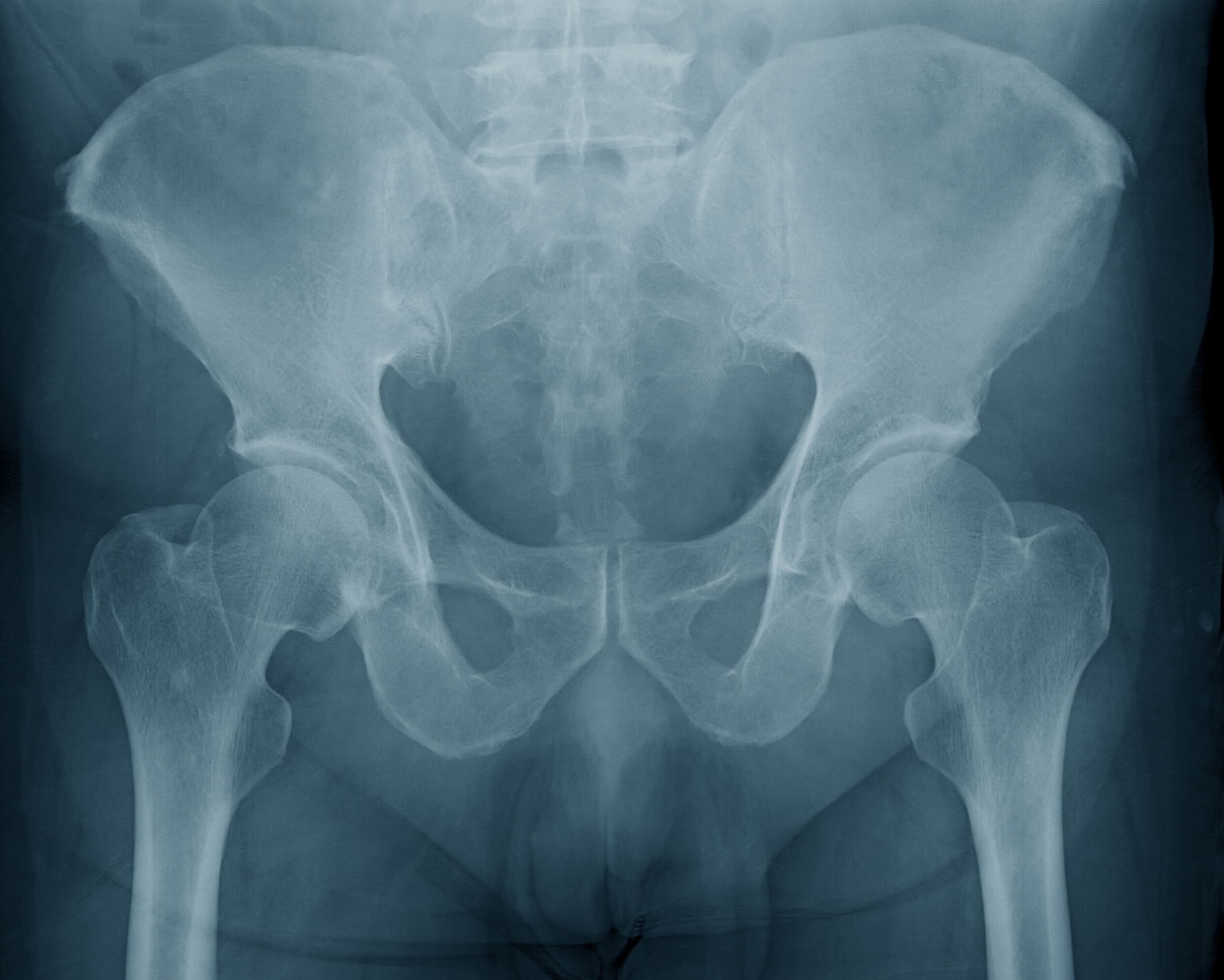
Imaging findings are interpreted together with your symptoms because changes seen on scans do not always represent the true source of pain.
Treatment Options
Treatment focuses on reducing pain, improving stability, and restoring function.
Treatment options may include:
For patients with persistent symptoms despite conservative treatment, minimally invasive SI joint procedures may be considered.
At Fortera Health, we focus on identifying the underlying cause of SI joint pain rather than treating symptoms alone. Through a comprehensive evaluation and personalized treatment approach, our team helps patients return to improved mobility and daily function.