
Mechanical back and neck pain refers to pain that originates from the structures of the spine, including the discs, facet joints, muscles, ligaments, and surrounding tissues. Unlike nerve-related conditions such as sciatica or radiculopathy, mechanical spine pain typically does not involve nerve compression or neurological changes.
It is one of the most common causes of chronic pain, affecting millions of people and often impacting mobility, work, sleep, and daily activities.
At Fortera Health, we focus on identifying the source of your spine pain through a comprehensive evaluation of your symptoms, physical examination, and advanced diagnostics when appropriate. Understanding the underlying cause allows us to create a personalized treatment plan focused on reducing pain and improving function.


Common Symptoms
Mechanical spine pain may present differently depending on the structures involved, but common symptoms include:
Unlike nerve-related pain, mechanical back and neck pain typically does not cause:
If pain travels below the knee, causes significant numbness, or is associated with weakness, further evaluation may be needed to assess for nerve involvement.
Why It Happens
Mechanical spine pain can develop from several different sources, including:
Multiple structures may contribute to pain at the same time, which is why identifying the true pain source is an important part of treatment.

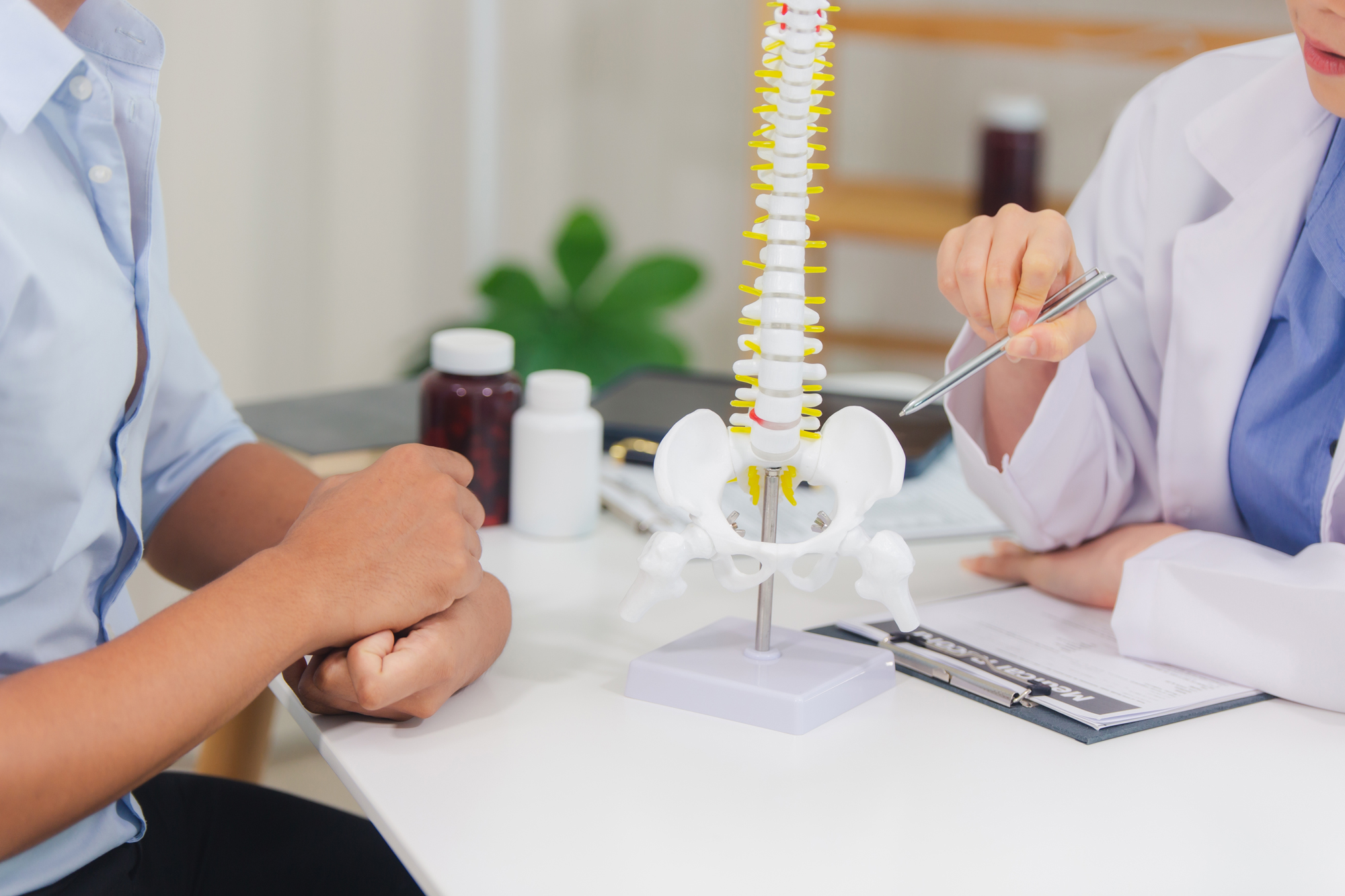
How Is Mechanical Spine Pain Diagnosed?
Diagnosis begins with a detailed evaluation of:
Your provider will also evaluate for warning signs that may require additional testing, including:
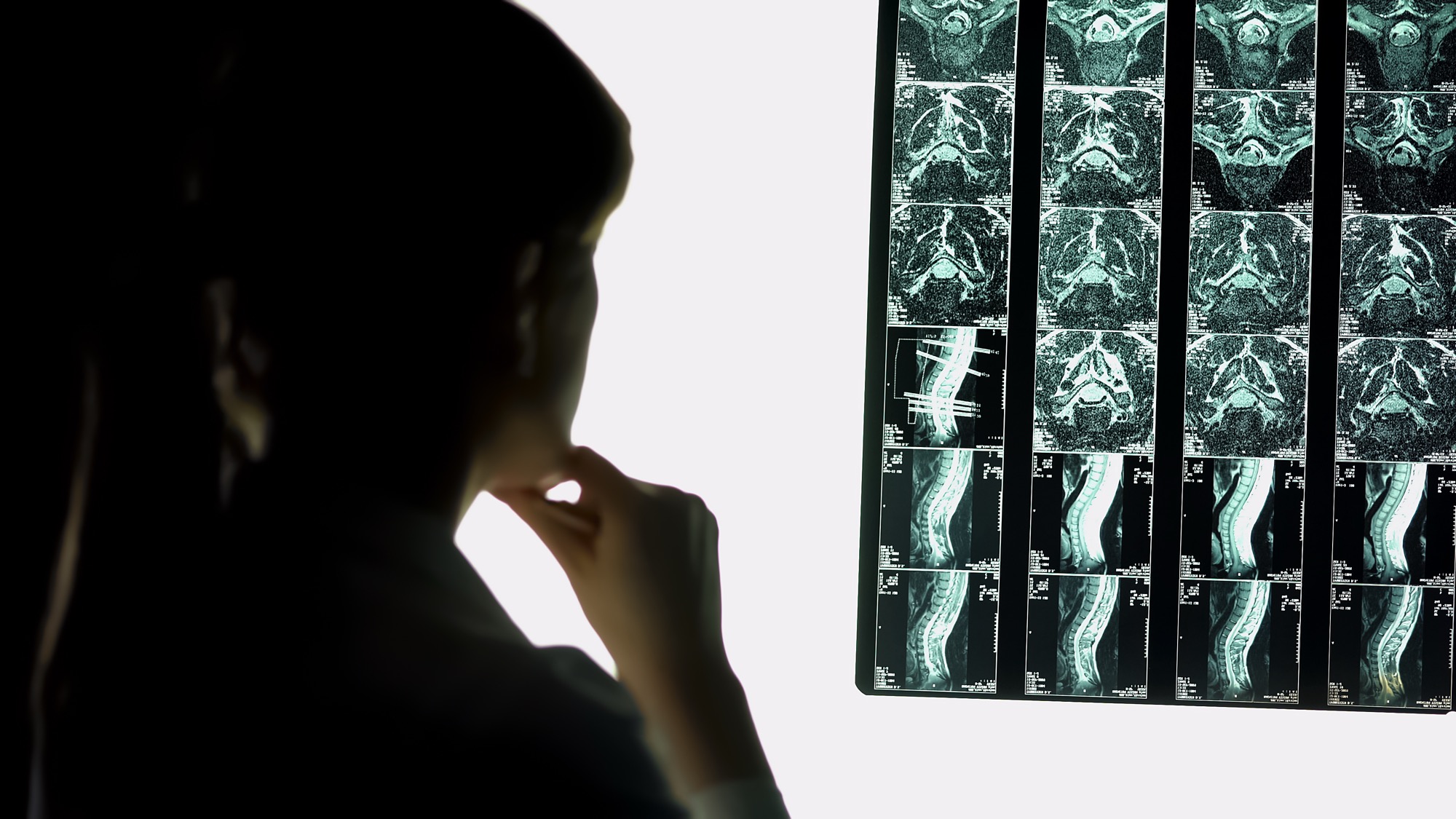
Imaging is not always required. Many people have age-related spine changes on imaging without experiencing symptoms.
When appropriate:
Imaging results must always be interpreted alongside your symptoms and physical examination.
Treatment Options
Treatment depends on the cause of pain, severity of symptoms, and how pain affects your daily activities.
Conservative Treatment
Many patients improve with non-surgical approaches, including:

Medications and Procedures
When appropriate, treatment may include:
Epidural injections are generally reserved for patients with nerve-related pain rather than isolated mechanical spine pain.
Surgical Evaluation
Surgery is rarely needed for nonspecific mechanical back or neck pain. It may be considered only when a specific structural problem has been identified and conservative treatments have not provided adequate relief.
At Fortera Health, we recognize that spine pain is often complex and influenced by multiple factors. Our team works to identify the source of your pain and develop an individualized approach designed to restore movement, reduce discomfort, and improve quality of life.