
Complex Regional Pain Syndrome (CRPS) is a chronic pain condition that typically affects an arm, hand, leg, or foot after an injury, surgery, fracture, or other trauma. The pain experienced with CRPS is often much greater than expected based on the original injury and may involve changes in sensation, swelling, skin temperature, and movement.
CRPS occurs when the nervous system becomes overly sensitive and begins to process pain signals abnormally. Although it can be challenging to diagnose and treat, early evaluation and a comprehensive approach can help improve symptoms and function.
At Fortera Health, we understand that chronic pain conditions like CRPS can affect every aspect of daily life. Our team works to identify the factors contributing to your symptoms and develop an individualized treatment plan focused on improving comfort, mobility, and quality of life.


Common Symptoms
CRPS symptoms can vary between individuals but may include:
Symptoms are often limited to one area of the body but can significantly affect mobility, sleep, and daily activities.
What Causes Complex Regional Pain Syndrome?
CRPS most commonly develops after an injury or procedure that affects an extremity. Common triggers include:
The exact reason some people develop CRPS while others recover normally is not fully understood. Research suggests that abnormal communication between the nerves, immune system, and brain may contribute to ongoing pain and changes in the affected area.
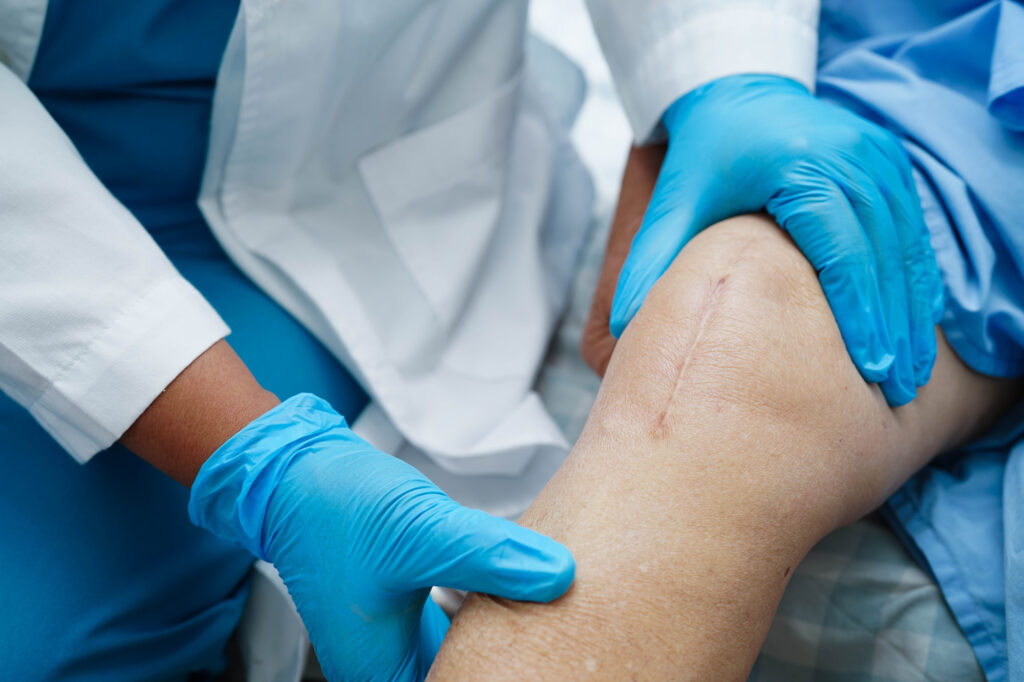

How Is CRPS Diagnosed?
CRPS is diagnosed through a detailed evaluation of your symptoms, medical history, and physical examination. There is no single test that confirms CRPS, so your provider will look for specific patterns involving:
Additional testing, such as X-rays, MRI, nerve studies, or blood work, may be used to rule out other conditions or better understand your symptoms.
Treatment Options
Treatment for CRPS focuses on reducing pain, improving movement, and helping restore function. Early and comprehensive treatment often provides the best opportunity for improvement.
Treatment options may include:

CRPS can be complex and often requires a multidisciplinary approach. At Fortera Health, we combine advanced pain management techniques with rehabilitation-focused care to help patients regain function, reduce discomfort, and move forward with confidence.