
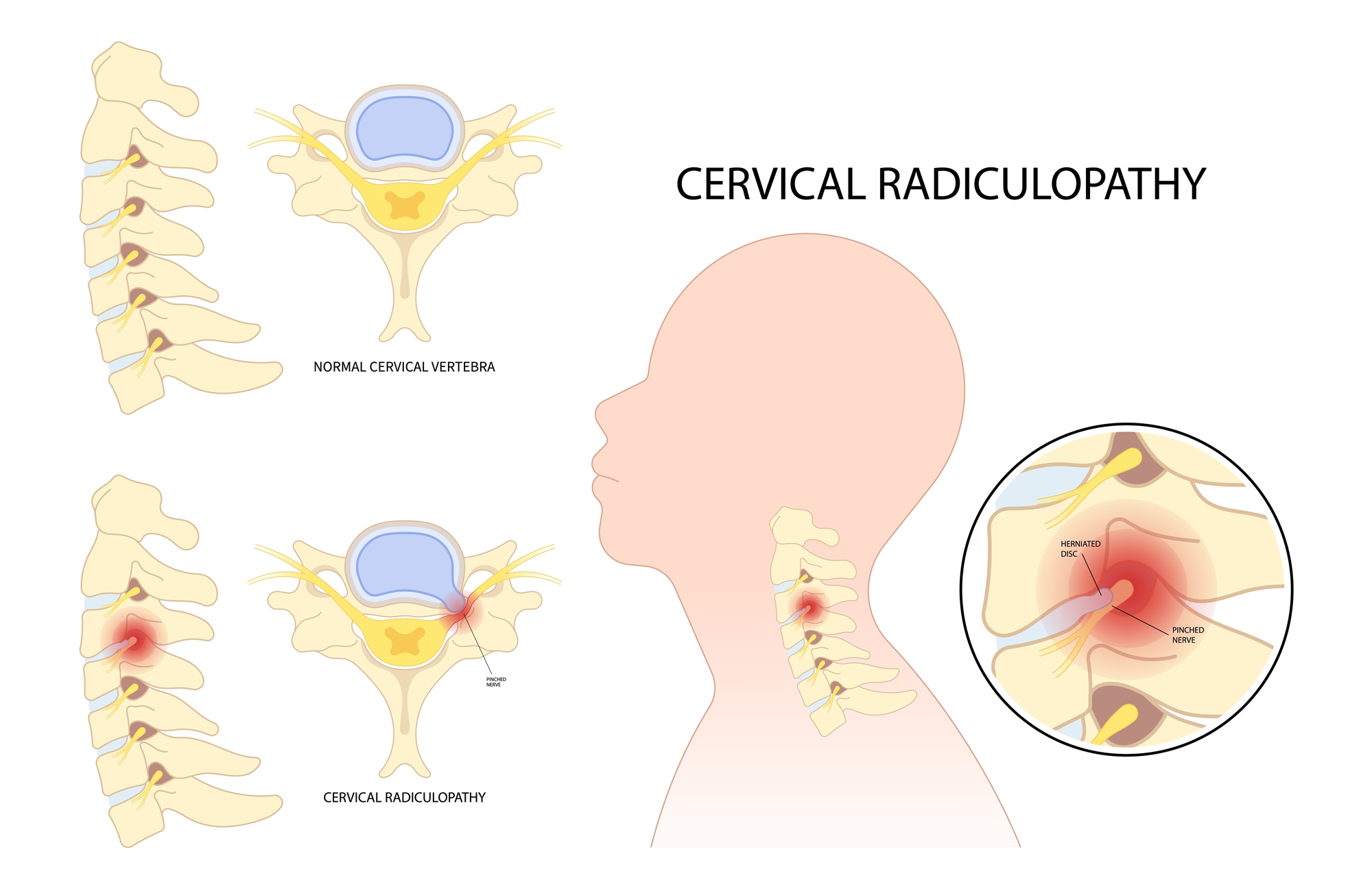
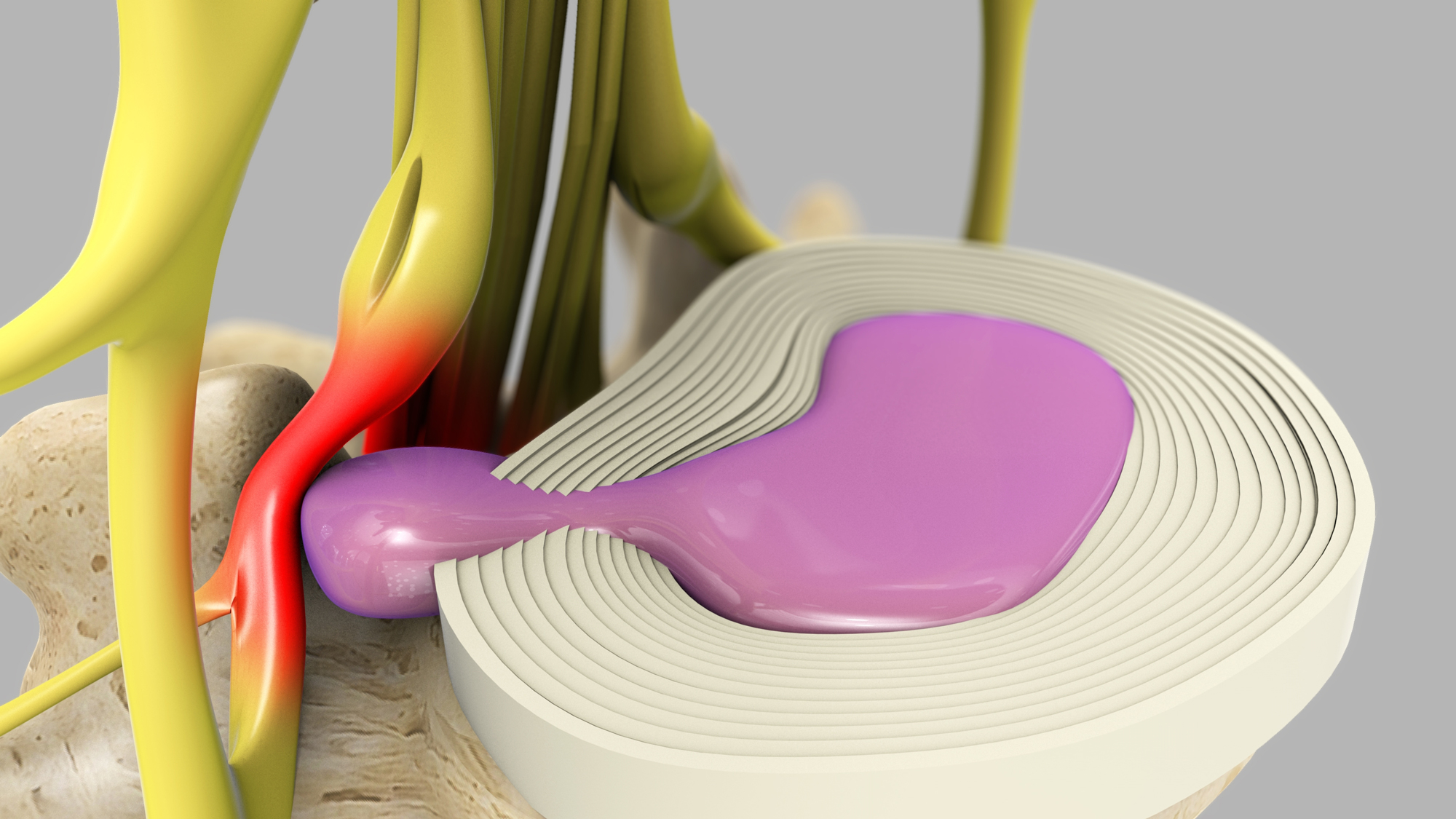
Radiculopathy occurs when a spinal nerve root becomes irritated, inflamed, or compressed as it exits the spine. This can cause pain, numbness, tingling, or weakness that travels along the pathway of the affected nerve.
Many patients refer to this as a “pinched nerve.” Radiculopathy can occur in the neck (cervical radiculopathy) or lower back (lumbar radiculopathy), depending on which area of the spine is affected.
Common causes include herniated discs, spinal stenosis, arthritis-related changes, and other conditions that place pressure on spinal nerves.
At Fortera Health, we evaluate both the source of the nerve irritation and how it is affecting your function to develop a treatment plan focused on reducing pain and restoring mobility.


Common Symptoms
Symptoms of radiculopathy depend on the location of the affected nerve but may include:
Cervical Radiculopathy (Neck Nerve Compression)
Cervical radiculopathy occurs when a nerve in the neck becomes irritated or compressed. Symptoms may include:
Lumbar Radiculopathy (Lower Back Nerve Compression)
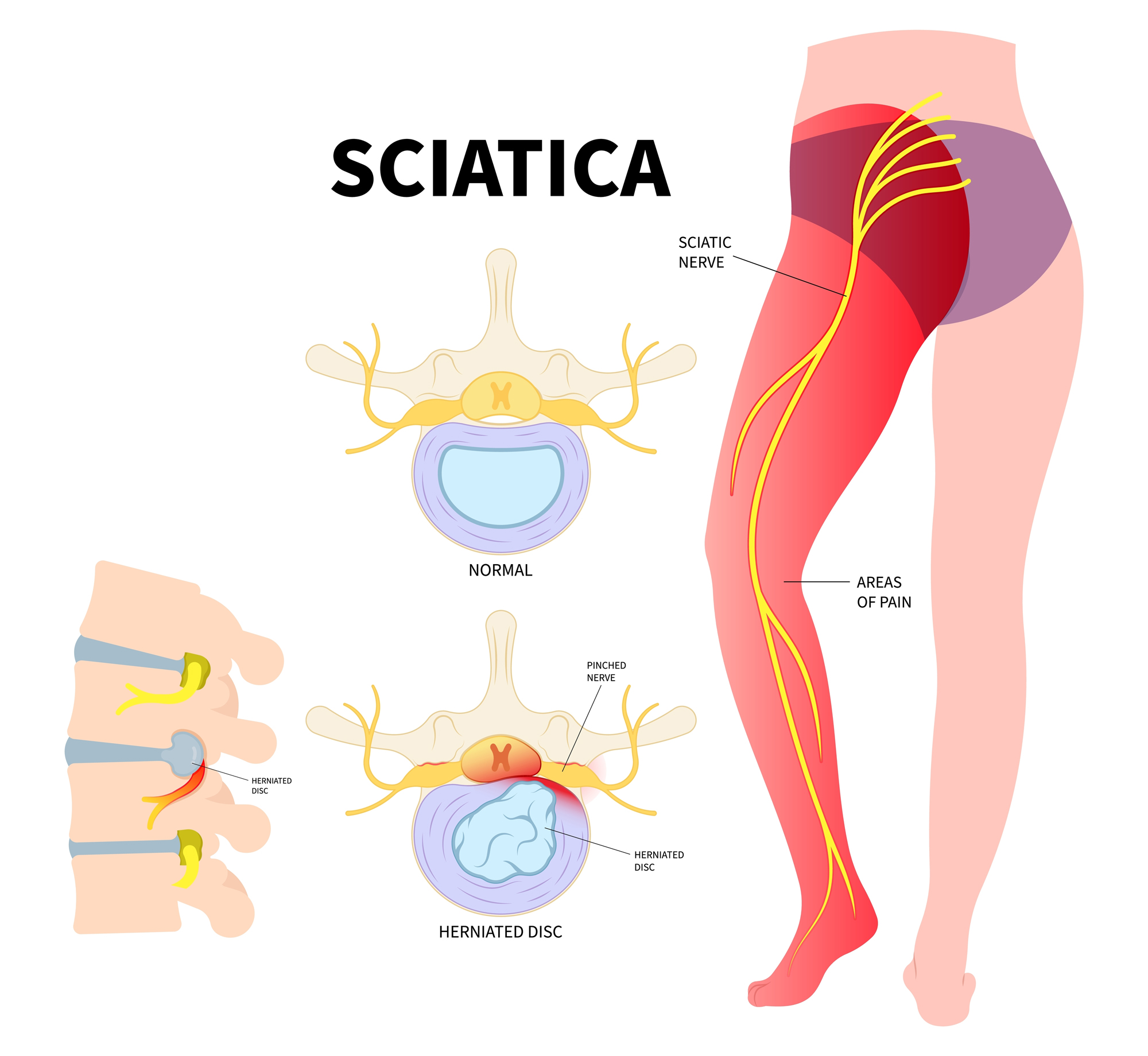
Lumbar radiculopathy is often associated with sciatica, which refers to pain traveling from the lower back into the buttock and leg.
Symptoms may include:
What Causes Radiculopathy?
Radiculopathy occurs when a spinal nerve root becomes irritated or compressed. Common causes include:
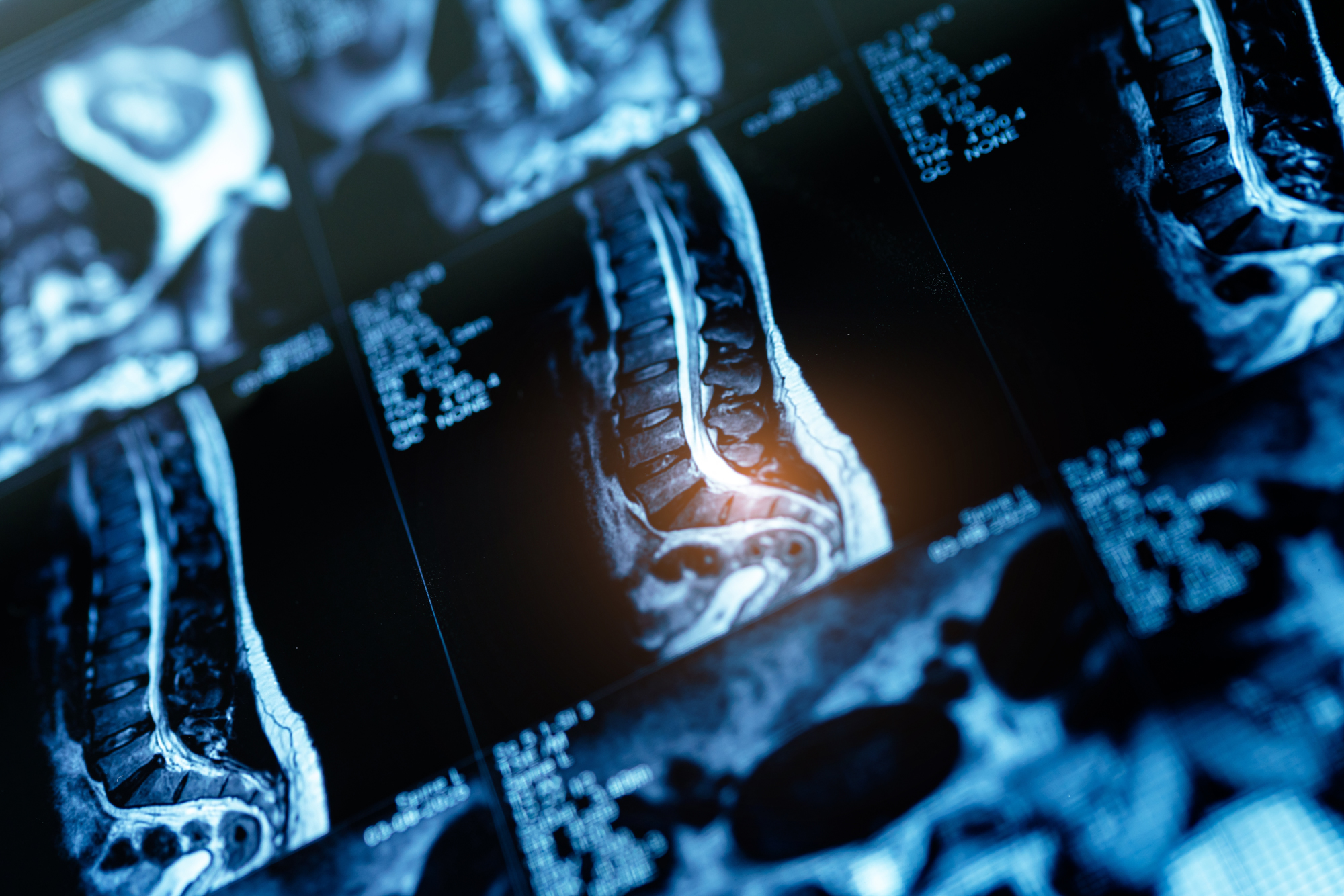
It is important to remember that abnormalities seen on imaging do not always cause symptoms. Many people have disc changes or narrowing of the spine without experiencing pain. Diagnosis depends on matching imaging findings with your symptoms and physical examination.
How Is Radiculopathy Diagnosed?
Diagnosis begins with a detailed evaluation of your symptoms, medical history, and physical examination.
Your provider may assess:
Additional testing may include:
Imaging results are always interpreted together with your symptoms because not every disc abnormality or spinal change is responsible for pain.
Treatment Options
Many patients with radiculopathy improve with nonsurgical treatment. The goal of treatment is to reduce nerve irritation, improve mobility, and restore function.
Treatment options may include:
For patients with persistent symptoms, worsening weakness, or significant nerve compression, additional procedures or surgical evaluation may be considered.
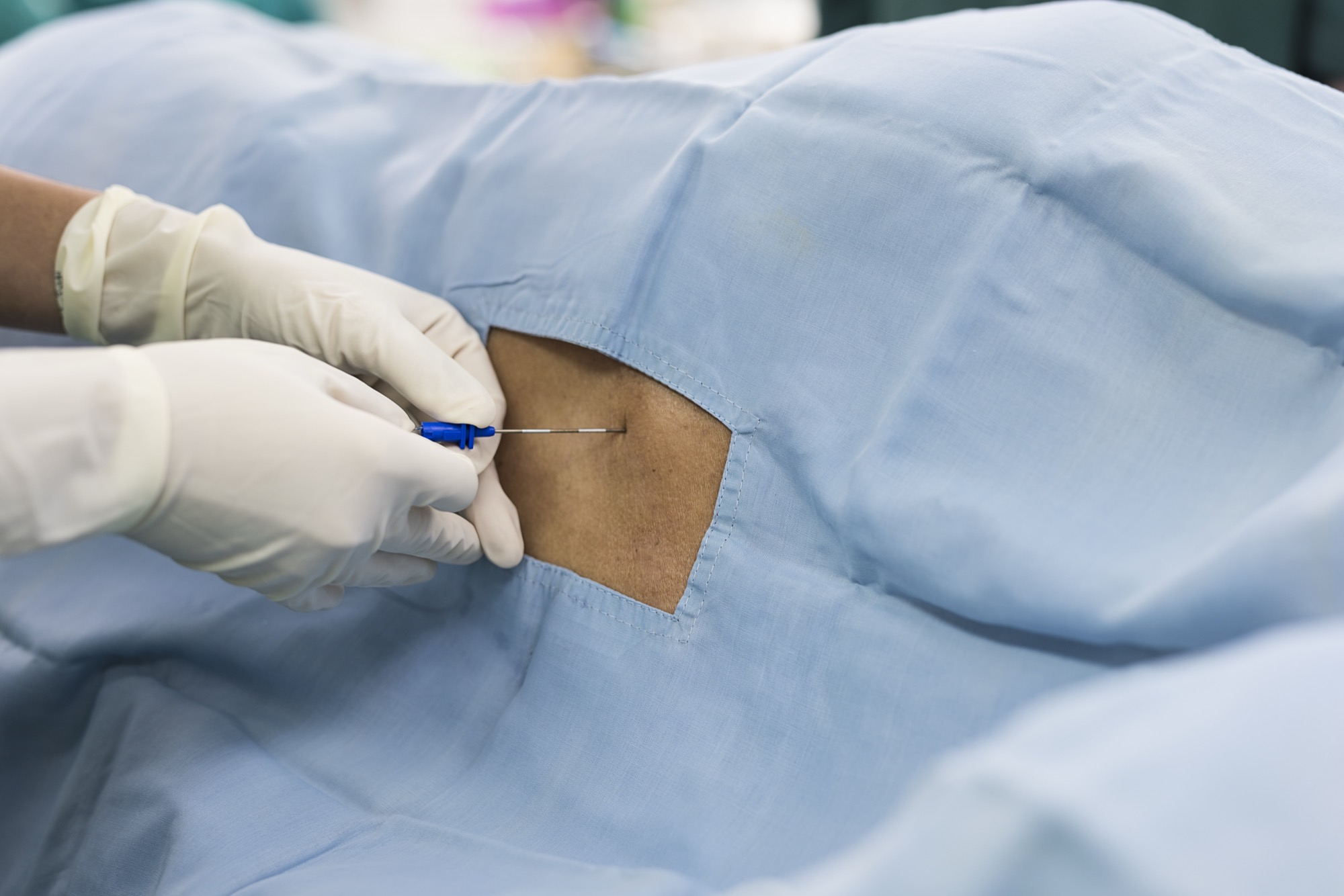
At Fortera Health, we focus on identifying the true source of nerve-related pain rather than treating imaging findings alone. Through a comprehensive evaluation and personalized treatment approach, our team helps patients understand their condition and find the right path toward relief and improved function.